Find Tours
Zion

Zion National Park: Utah's oldest canyon sanctuary.

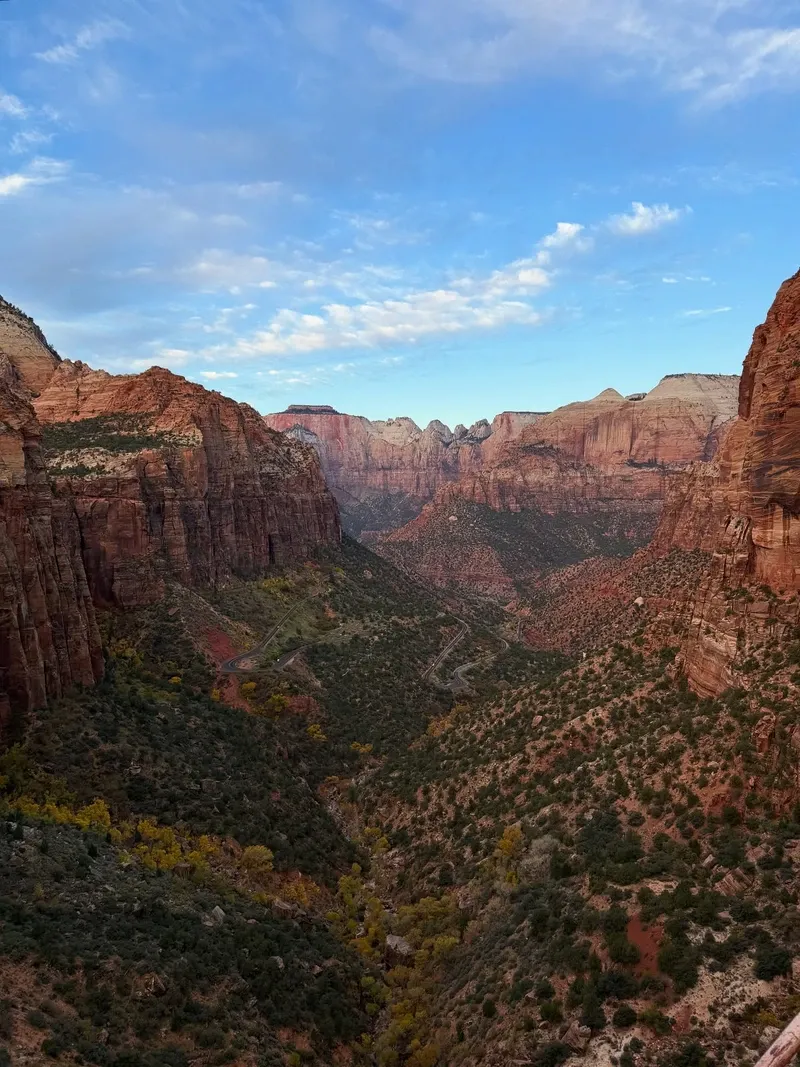
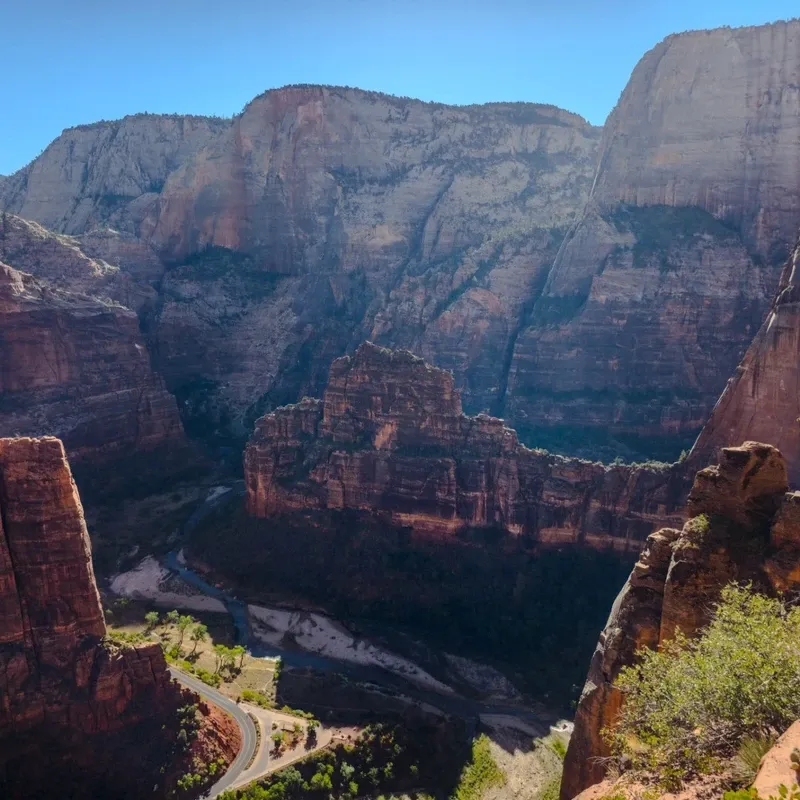
Carved over millennia by the Virgin River, Utah's oldest national park features deep slot canyons with sheer 1,000-foot sandstone walls. More than 4.5 million annual visitors come to hike the 5.2-mile Angels Landing trail and wade through the cool waters of The Narrows.

Find Guided Tours
4.5 Million Annual Park Visitors
1919 Year Established
8,000 Years Human Habitation
1,000 Feet Sandstone Wall Height

About Zion National Park

Zion National Park is Utah's oldest and most visited national park, drawing an average of 4.5 million visitors annually. Established in 1919, the park sits in southwestern Utah near the borders of Nevada and Arizona. The landscape transitions dramatically from lowland deserts to forested highlands, creating diverse ecosystems shaped by variations in temperature, precipitation, and elevation. At the center of its physical geography is the Virgin River, a persistent force that carved the deep, narrow slot canyons and exposed massive, layered sandstone cliffs over millennia.

The name "Zion" carries significant historical and biblical weight. Originally referring to the eastern hill of ancient Jerusalem captured by King David, the word translates to "promised land" or "sanctuary." This designation accurately reflects the area's natural role as a desert oasis supporting a unique assemblage of rare plants and animals.

Over 8,000 Years of Human History

Human habitation in the region dates back more than 8,000 years. Ancestral Puebloans left behind cliff houses and rock art before the Southern Paiute people eventually occupied the canyon walls and floor. In 1858, Nephi Johnson became the first European-American explorer to document the canyon. Three years later, in 1861, Isaac Behunin constructed a log cabin in the area and gave it the name "Zion."

The federal government first protected the landscape in 1909 when President William Howard Taft established the Mukuntuweap National Monument. The site was renamed Zion National Monument in 1918. Finally, on November 19, 1919, the Woodrow Wilson administration officially designated the sanctuary as Utah's first national park, preserving its towering rock monoliths and cultural heritage.

Why Visit Zion

Hike the Angels Landing Ridge

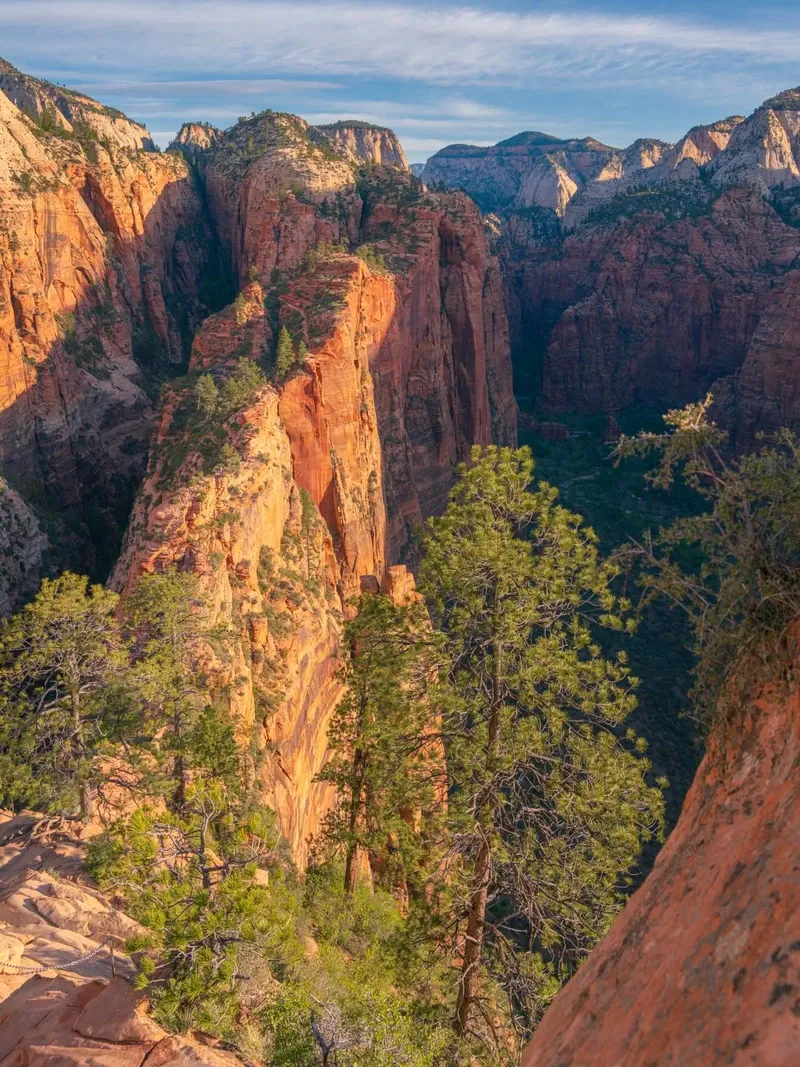
This 5.2-mile hike climbs a dramatic, knife-edge ridge equipped with metal chains for safety. Climbers who secure the required permit to pass Scout Lookout reach the summit for 360-degree views of Zion Canyon. The sheer drop-offs demand careful footing and a head for heights.

Wade Through The Narrows

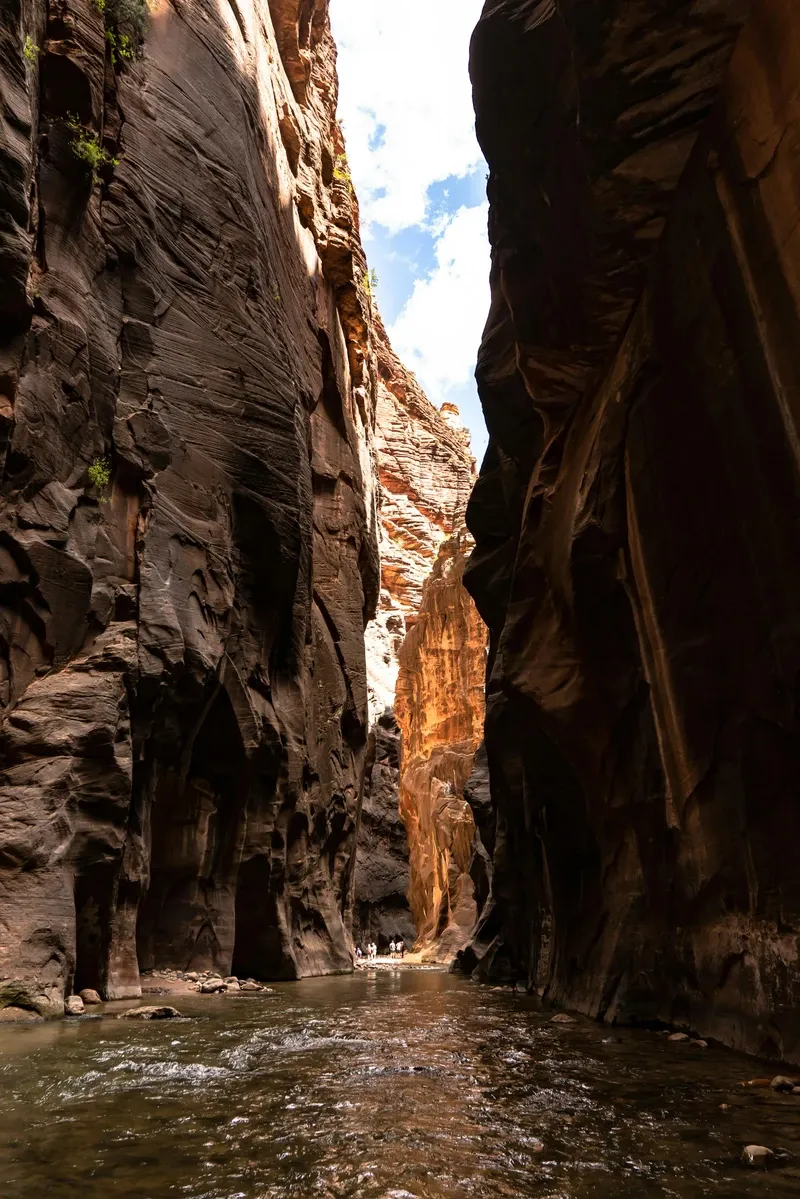
Hikers step directly into the Virgin River to navigate this towering slot canyon. Surrounded by sheer 1,000-foot sandstone walls, you must wade through cold, rushing water over unstable river rocks. Renting a dry suit, neoprene socks, and a sturdy walking stick is highly recommended for stability.

Drive the Kolob Canyons

Located in the northwest section of the park, this 5-mile scenic drive provides an escape from the heavy crowds of the main canyon. The route features striking crimson finger canyons and provides access to quiet, dramatic viewpoints like the Timber Creek Overlook.

Walk Beneath Hanging Gardens

Starting at the Temple of Sinawava, the paved 2.2-mile Riverside Walk runs parallel to the North Fork Virgin River. The path enters a shaded canyon oasis where plants grow downward from weeping rock walls. It provides a flat, accessible route to view the deep canyon environment.

Zion Tours & Experiences

Hand-picked tours with free cancellation and verified reviews

Zion Visitor Guide

Best Time to Visit

The ideal time to visit Zion National Park is during the spring and fall shoulder seasons, particularly October and November, when crowds thin and autumn colors peak. Summer brings extreme heat exceeding 100 degrees Fahrenheit and dangerous flash floods, while winter introduces freezing temperatures and icy trails.

Spring best
March - May

Spring is one of the best times to visit, operating as a shoulder season with thinning crowds. Visitors can explore the main canyon and navigate the hiking trails with ease.

Summer poor
June - August

June is the park's driest month, making it optimal for wading The Narrows. However, July and August are the worst months, bringing 100-degree heat and monsoon thunderstorms causing flash floods.

Autumn best
September - November

September remains dangerous due to continuing monsoon storms and flash flood risks. October and November are the best months, offering peak autumn colors and thinner crowds across the park.

Winter poor
December - February

Winter is a less desirable time for a visit. Freezing temperatures, snow, and ice make traversing popular exposed trails like Angels Landing and The Narrows difficult and potentially hazardous.

Hours & Fees

Zion National Park remains open 24 hours a day, seven days a week, year-round. Specific facility hours vary by season. The Zion Canyon Visitor Center Information Desk operates from 8:00 am to 7:00 pm, the Zion Forever Park Store from 8:00 am to 8:00 pm, and the Wilderness Desk from 8:00 am to 5:00 pm. The Zion Human History Museum is open between 9:00 am and 6:00 pm. From late May through September 1, the Zion Nature Center opens daily from 12:00 pm to 5:00 pm. Large vehicles can only pass through the Zion-Mt. Carmel Tunnel between 8:00 am and 4:30 pm.

CategoryPrice
Private Vehicle (valid 1-7 days, 15 capacity or less)$35.00
Motorcycle (valid 7 days, up to 2 motorcycles and 4 passengers)$30.00
Individual (pedestrian, bicyclist, hiker)$20.00
Non-commercial groups (16+ capacity)$20.00 per person
Youth (15 and under)Free

Entrance fees are waived on designated dates, such as National Public Lands Day (e.g., September 26) and during National Park Week. While general park entry does not require a reservation, you must obtain an advance permit through the National Park Service to hike past Scout Lookout on Angels Landing, go canyoneering, or camp in the Zion Wilderness.

How to Get There

Zion National Park is located along State Route 9 in southwestern Utah, with the main south entrance in the town of Springdale. Visitors typically drive from major airports in Las Vegas or Salt Lake City, or use regional public transit from St. George.

📍 State Route 9, Springdale, UT

Car (from Las Vegas International Airport)

Driving from Las Vegas International Airport is a practical way to reach the park. You will take Interstate 15 North toward Salt Lake City. At exit 27, merge onto UT-17 toward Toquerville and Hurricane. From there, follow UT-9 East directly into the town of Springdale to access the south entrance. The drive covers 163 miles.

⏱ 02:45 💰 $40 per day (rental car average)
Car (from Salt Lake City International Airport)

Travelers arriving at Salt Lake City International Airport can drive 307 miles south to the park. Follow Interstate 15 South toward Las Vegas until reaching exit 27. Take this exit for UT-17 toward Toquerville and Hurricane. Finally, connect to UT-9 East, which leads straight into the main park entrance in Springdale.

⏱ 04:30 💰 $40 per day (rental car average)
Bus (from St. George, UT)

The SunTran Zion Route provides regional public transit connecting St. George to Springdale. This convenient 42-mile bus journey includes passenger stops in Washington, Hurricane, La Verkin, and Virgin. Services operate Monday through Saturday from 5:40 a.m. to 10:30 p.m. The transit system does not run on Sundays or major holidays.

⏱ 01:15 💰 $5 each way

Visitor Tips

Secure Free Parking Early

The Zion Canyon Visitor Center offers over 350 free parking spaces, but they typically fill up before 8:00 a.m. during peak seasons. Arriving later means paying $15.00 to $25.00 per day for a spot in Springdale. If you park in town, download the Flowbird app beforehand to manage payments remotely.

Prepare For The Narrows

Hiking this iconic slot canyon requires wading directly into the freezing Virgin River. Specialized gear is highly recommended to navigate the unstable riverbed safely. Visit local outfitters in Springdale to rent a dry suit, neoprene socks, and a sturdy wooden walking stick before your hike.

Avoid Filtering River Water

The Virgin River is under a warning advisory for toxic cyanobacteria blooms. Standard hiking filters cannot remove these deadly toxins, which can harm pets and children within 15 minutes. Carry at least one gallon of tap water per person daily, and never submerge your head in the river.

Track Shuttle Departure Times

The free Zion Canyon Shuttle operates from March through November and requires no reservations. Always check the seasonal schedule so you do not miss the last evening bus leaving the Temple of Sinawava at 8:15 p.m. Missing this departure leaves you with a dark, grueling 8-mile walk back.

Pets Allowed On Parus

Zion heavily restricts where visitors can bring animals. Dogs are strictly prohibited on shuttle buses, in wilderness areas, and on all dirt trails. You can only walk your dog on the paved 3.5-mile Pa'rus Trail, provided they remain on a leash no longer than 6 feet.

Plan For Tunnel Escorts

Driving a large vehicle requires special preparation on the Zion-Mt. Carmel Highway. Vehicles measuring 11 feet 4 inches high or 7 feet 10 inches wide must pay a fee and obtain a ranger escort. These escorts are only available between 8:00 a.m. and 4:30 p.m. daily.

Nearby Attractions

Sand Hollow State Park

47 minutes (33 miles)

This reservoir outside Hurricane offers sandy beaches and a variety of water sports. Visitors can ride off-road vehicles across the surrounding red rock dunes to escape the national park crowds.

Coral Pink Sand Dunes State Park

1 hour

Located near Kanab, this park contains a 5.3-square-mile field of brilliant coral-colored sand. It provides excellent photography opportunities, particularly at sunset when the fading light intensifies the unique color.

Cedar Breaks National Monument

1 hour

Perched at an elevation over 10,000 feet, this monument contains a massive geologic amphitheater that plunges half a mile deep. The high-altitude environment features ancient bristlecone pines and pristine dark skies.

What Visitors Say

Read what travelers share about their experience visiting Zion — from practical tips to personal highlights.

D
David L. United States, May 2026
4.6

"The main canyon was packed, so my wife and I drove up to the Kolob Canyons section instead. The 5-mile scenic drive was super quiet compared to the rest of the park. We did the short hike to Timber Creek Overlook and got fantastic photos of the crimson finger canyons."

E
Elena M. Australia, May 2026
4.5

"Finding a trail for our toddler's stroller and our dog was tricky, but the paved 3.5-mile Pa'rus Trail was perfect. It is the only path in the park that allows pets. We walked right along the Virgin River and had great views of the red rock monoliths without any steep drop-offs."

K
Kenji O. Japan, Feb 2026
4.7

"Took the free shuttle all the way to the Temple of Sinawava stop. The 2.2-mile Riverside Walk was a pretty chill hike. I loved seeing the hanging gardens growing straight down from the weeping rock walls. Just remember to bring your own water, as the desert heat is no joke."

S
Sarah J. United Kingdom, Feb 2026
5.0

"I got to the Visitor Center at 7:30 a.m. to grab one of the free parking spots. My permit for Angels Landing came through, and climbing that knife-edge ridge with the metal chains was a huge adrenaline rush. The 360-degree views of the canyon from the top are totally unmatched."

C
Chloe R. New Zealand, Dec 2025
4.4

"We slept in and missed the free parking at the visitor center, so we ended up paying $20 in Springdale using the Flowbird app. Once inside, we hiked the Lower Emerald Pool trail. Walking directly underneath the trickling waterfall was a cool break from the afternoon sun."

M
Mark T. Canada, Nov 2025
4.8

"We rented dry suits and wooden walking sticks from a shop in Springdale before hiking The Narrows. The water was freezing, but wading between those 1,000-foot sandstone walls was wild. Kept the kids out of the deeper sections because of the cyanobacteria warnings, but we still had an awesome time."

Frequently Asked Questions

How much does it cost to get into Zion National Park?

A private vehicle pass costs $35.00 and covers all occupants for up to seven days. Pedestrians and bicyclists pay an individual fee of $20.00, while youth aged 15 and under enter for free.

When is the best time of year to visit Zion?

The ideal months to visit are October and November, when autumn colors peak and the heavy crowds thin out. Visitors should avoid the peak summer season from July to September due to temperatures exceeding 100 degrees Fahrenheit and frequent monsoon thunderstorms that cause dangerous flash floods.

How far is Zion National Park from Las Vegas?

The park is located 163 miles from Las Vegas International Airport, which takes approximately 2 hours and 45 minutes by car. Drivers take Interstate 15 North to UT-17, then follow UT-9 East directly into the town of Springdale.

Is there a public bus that goes to Zion?

Yes, the SunTran Zion Route is a 42-mile public transit bus connecting St. George to Springdale. The bus operates Monday through Saturday from 5:40 a.m. to 10:30 p.m. and costs $5.00 each way.

Where can I park if the Zion Visitor Center lot is full?

The visitor center has over 350 free parking spaces, but they typically fill up by 8:00 a.m. during peak seasons. Visitors arriving later must park in the town of Springdale, where fees range from $15.00 to $25.00 per day, and ride the free 3-mile Springdale shuttle to the entrance.

Do I need a permit to hike Angels Landing?

Yes, hikers must apply for a permit online through the National Park Service to climb past Scout Lookout. The 5.2-mile trail requires this permit to access the final, chain-assisted ridge to the summit.

What gear do I need to hike The Narrows?

Hikers wading through the Virgin River need specialized gear, including a dry suit, neoprene socks, and a sturdy walking stick to navigate the unstable riverbed. You must also carry at least one gallon of water per person per day, as the river contains toxic cyanobacteria and is unsafe to filter or drink.

Is Zion National Park wheelchair accessible?

The park features fully accessible facilities, including the Zion Canyon Visitor Center and the free shuttle, which accommodates up to two wheelchairs. Visitors can also explore paved, flat paths like the 3.5-mile Pa'rus Trail and the 2.2-mile Riverside Walk.

Ready to visit Zion?

Browse verified tours with free cancellation and instant confirmation.

Find Tours